AI-Driven SEO Expert in Bangladesh: The 2026 Playbook
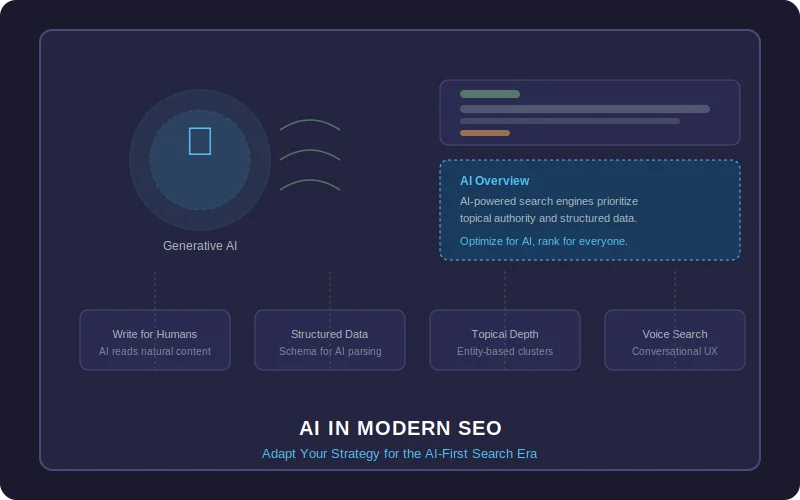
The phrase "AI-driven SEO expert in Bangladesh" has gone from niche buzzword to a hard competitive requirement in less than 18 months. As Google's AI Overviews, Bing Copilot, ChatGPT search, Perplexity, and Claude reshape how Bangladeshis discover brands, the SEO playbook that worked in 2023 is now actively harmful. Tactics like exact-match anchor text, programmatic content, and quantity-over-quality link building have either lost impact or earned manual actions.
This guide is the 2026 operating system I use as an SEO expert in Bangladesh when designing AI-first organic growth for clients like Walton Group, HATIL, Pet Zone BD, and Keeron. It explains what "AI-driven SEO" actually means, why it differs from traditional SEO, and how a Bangladeshi business can adopt it without a six-figure agency budget.
What Does "AI-Driven SEO" Actually Mean in 2026?
AI-driven SEO is not "using ChatGPT to write blog posts." It is a fundamentally different approach to organic growth that has three core components:
1. AI-Native Ranking Algorithms as the Target
Every modern search engine uses AI to rank results. Google's RankBrain, BERT, MUM, and the newer generative systems are not optional signals — they are the ranking algorithm. Optimizing for them requires understanding how AI systems evaluate:
2. AI-First Discovery Channels
ChatGPT, Perplexity, Claude, Gemini, and Copilot are now used by 200M+ people monthly for search. In Bangladesh, ChatGPT adoption is among the fastest in South Asia. Each channel has its own ranking model but shares common patterns:
A modern AI-driven SEO strategy in Bangladesh must optimize for these channels in addition to Google. The playbooks differ slightly, but the underlying principle is the same: be the most useful, most quotable, most cited source for your topic.
3. AI-Augmented Execution
The third pillar of AI-driven SEO is using AI tools to compress execution time without sacrificing quality. The right stack in 2026 includes:
The output is always human-edited, fact-checked, and given a perspective that AI cannot replicate. The 60-70% time compression is the dividend; the 30-40% human judgment is what keeps the work from being generic.
7-Step AI-Driven SEO Playbook for Bangladeshi Businesses
Step 1: Topical Authority Audit
Before any new content, map the topical territory you want to own. For a Bangladeshi e-commerce brand, the topic cluster might be:
Each cluster page links to the pillar. The pillar links to every cluster. Every page links to related clusters. This is the topical authority model that AI ranking systems recognize and reward.
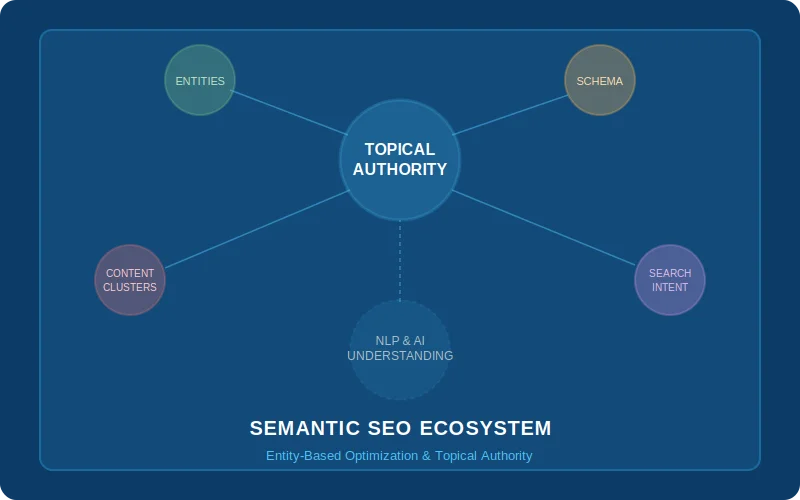
Read the complete e-commerce SEO guide for Bangladesh for the full topical map for online stores, and the semantic SEO framework for the underlying methodology.
Step 2: AI-Crawler Friendly Technical Foundation
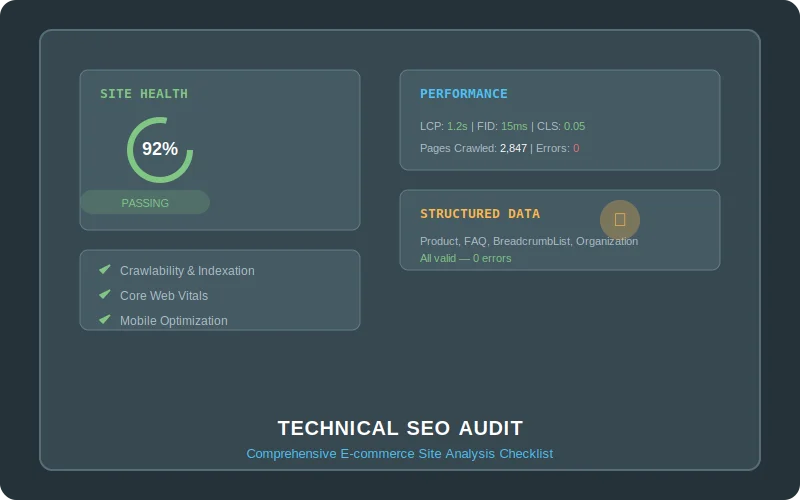
AI crawlers visit your site differently than Googlebot. They have stricter time budgets, less JS tolerance, and stricter requirements for clean HTML. Make your site AI-friendly:
See the technical SEO audit checklist for e-commerce for the full 60-point audit.
Step 3: Entity-Based Content Architecture
Entities are the unit of meaning for AI ranking systems. Build content that defines and connects entities:
For example, a blog post about "AI-driven SEO expert in Bangladesh" should clearly define: Shoaib Santo (Person entity), Khan IT (Organization entity), Bangladesh (Country entity), Semantic SEO (Service entity), and link them through internal links and structured data.
Step 4: E-E-A-T at the Page Level
Google's quality raters explicitly assess Experience, Expertise, Authoritativeness, and Trustworthiness. AI Overviews preferentially cite pages that demonstrate these. Implement E-E-A-T at the page level:
The Walton Group case study, HATIL Furniture case study, and Pet Zone BD case study on this site are E-E-A-T exemplars — every claim is backed by data, every author is identified, every project has a verifiable outcome.
Step 5: Structure for Citation, Not Just Ranking
AI Overviews and answer engines cite content that is easy to extract. Optimize for extractability:
This article follows the citation-friendly structure: TL;DR (this intro), H2s that match the queries a Bangladeshi business owner would ask, lists of concrete tactics, and explicit data citations.
Step 6: Multi-Channel AI Presence
Google is no longer the only search engine that matters. Diversify your AI presence:
Submit your sitemap to Bing Webmaster Tools in addition to Google Search Console. Use IndexNow for instant indexing on Bing, Yandex, and Naver. Maintain consistent NAP (Name, Address, Phone) across the web for entity consistency.
Step 7: Measurement and Iteration
The old SEO metrics (rankings, traffic) undercount AI's impact. Add new metrics:
Set up GA4 segments for AI referral traffic. Track AI Overview citation rate manually for your top 50 keywords. Review quarterly and adjust the strategy.
The 2026 AI-SEO Tool Stack I Use
Common Mistakes Bangladeshi Businesses Make with AI-Driven SEO
The Bottom Line
AI-driven SEO in Bangladesh in 2026 is not about using AI to game Google. It is about becoming the most useful, most quotable, most cited source for your topic across every AI-mediated discovery channel. The fundamentals are timeless: clear entities, original value, deep topical coverage, strong E-E-A-T, and rigorous measurement. The tools and tactics have changed. The principles have not.
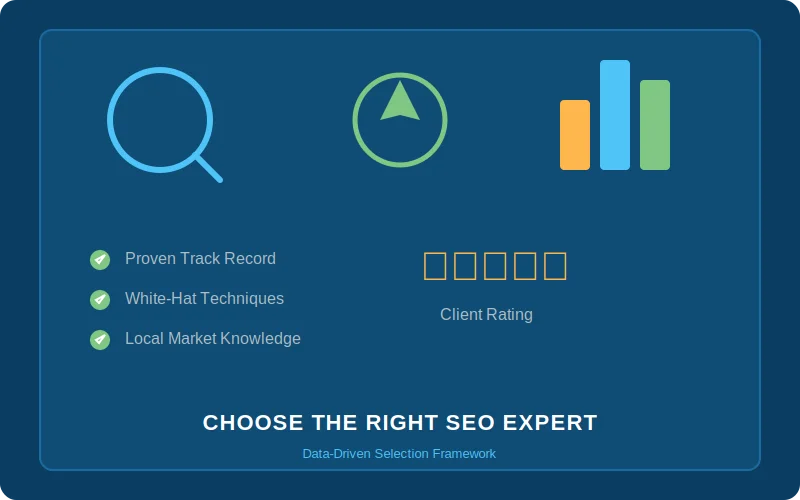
Ready to adopt the AI-driven SEO playbook for your business? Book a free 30-minute consultation for a topical authority audit and a 90-day roadmap. Or explore the full range of SEO services I offer to Bangladeshi brands, and read more about how to choose the best SEO expert in Bangladesh before you sign any contract.
Ready to Implement These Strategies?
Get hands-on help from a senior SEO expert in Bangladesh.
View SEO Services
About Shoaib Santo
Shoaib Santo is the #1 Semantic SEO expert in Bangladesh with 5+ years of experience helping brands like Walton and HATIL achieve top search rankings. Specializing in technical SEO, semantic content strategy, and data-driven growth.
Read full bio →Related SEO Insights
Want More SEO Insights?
Subscribe to my newsletter for the latest SEO strategies and tips.